Our Three Step Process
3. Energy
Our Three Step Process
3. Energy
Powering sustainable growth with clean, renewable solutions.
Overview
Rwanda’s energy sector is characterized by a diverse mix of energy sources and a strong commitment to increasing access to electricity.
Rwanda’s energy targets under the National Strategy for Transformation 2 (NST2) focus on achieving universal electricity access and enhancing the overall energy capacity of the nation.
The country aims to scale the adoption of clean and biomass-efficient cooking solutions and explore and develop nuclear technology for productive uses in the health, energy, and agriculture sectors.
Total installed power generation capacity of 408.9 MW
Electricity Access rate estimated to 75.9 % (54 % on-grid and 21.9 % off-grid)
Rwanda’s generation technology, 51% is from thermal sources,43.9% from Hydro and 4.2% from Solar sources
Investment Opportunities
Standalone solar systems for households and other users
Key Energy Private Players (IPP’s)
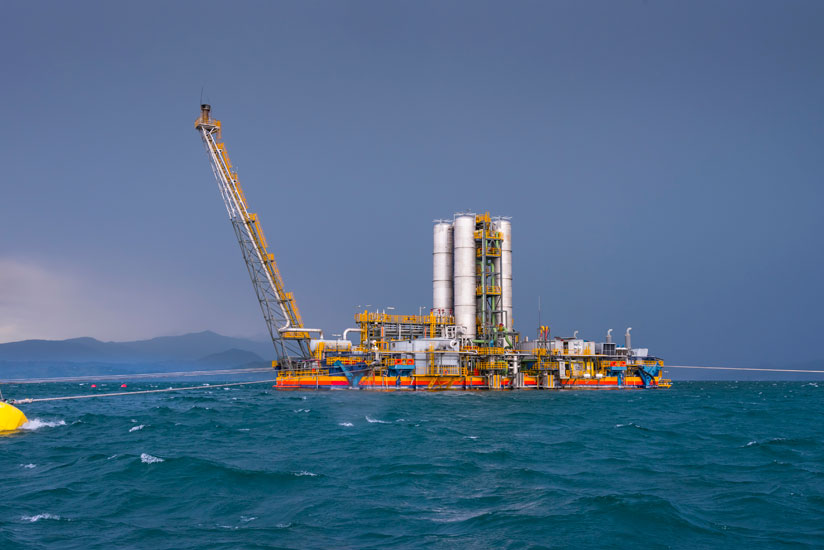
KivuWatt generating electricity from methane by Contour Global
Hakan generating electricity from peat
Shema Power generating electricity from Methane
Gigawatt Global generating electricity from solar
Mobisol supplying standalone systems
Rwanda Mountain operating Micro hydropower
Prime Energy operating Micro hydropower
Ngali Energy developing Micro hydropower
Ignite Power supplying standalone systems
Bboxx Capital supplying standalone systems
Overview
Rwanda’s energy sector is characterized by a diverse mix of energy sources and a strong commitment to increasing access to electricity.
Rwanda’s energy targets under the National Strategy for Transformation 2 (NST2) focus on achieving universal electricity access and enhancing the overall energy capacity of the nation.
The country aims to scale the adoption of clean and biomass-efficient cooking solutions and explore and develop nuclear technology for productive uses in the health, energy, and agriculture sectors.
Total installed power generation capacity of 408.9 MW
Electricity Access rate estimated to 75.9 % (54 % on-grid and 21.9 % off-grid)
Rwanda’s generation technology, 51% is from thermal sources,43.9% from Hydro and 4.2% from Solar sources
Investment Opportunities
Standalone solar systems for households and other users
Key Energy Private Players (IPP’s)
KivuWatt generating electricity from methane by Contour Global
Hakan generating electricity from peat
Shema Power generating electricity from Methane
Gigawatt Global generating electricity from solar
Mobisol supplying standalone systems
Rwanda Mountain operating Micro hydropower
Prime Energy operating Micro hydropower
Ngali Energy developing Micro hydropower
Ignite Power supplying standalone systems
Bboxx Capital supplying standalone systems
Powering sustainable growth with clean, renewable solutions.
Overview
Rwanda’s energy sector is characterized by a diverse mix of energy sources and a strong commitment to increasing access to electricity.
Rwanda’s energy targets under the National Strategy for Transformation 2 (NST2) focus on achieving universal electricity access and enhancing the overall energy capacity of the nation.
The country aims to scale the adoption of clean and biomass-efficient cooking solutions and explore and develop nuclear technology for productive uses in the health, energy, and agriculture sectors.
Total installed power generation capacity of 408.9 MW
Electricity Access rate estimated to 75.9 % (54 % on-grid and 21.9 % off-grid)
Rwanda’s generation technology, 51% is from thermal sources,43.9% from Hydro and 4.2% from Solar sources
Investment Opportunities
Standalone solar systems for households and other users
Key Energy Private Players (IPP’s)
KivuWatt generating electricity from methane by Contour Global
Hakan generating electricity from peat
Shema Power generating electricity from Methane
Gigawatt Global generating electricity from solar
Mobisol supplying standalone systems
Rwanda Mountain operating Micro hydropower
Prime Energy operating Micro hydropower
Ngali Energy developing Micro hydropower
Ignite Power supplying standalone systems
Bboxx Capital supplying standalone systems
Other Sectors
Other Sectors
Check our other various sectors with detailed Insights
Other Sectors
Other Sectors
Check our other various sectors with detailed Insights

Other Sectors
Other Sectors
Check our other various sectors with detailed Insights